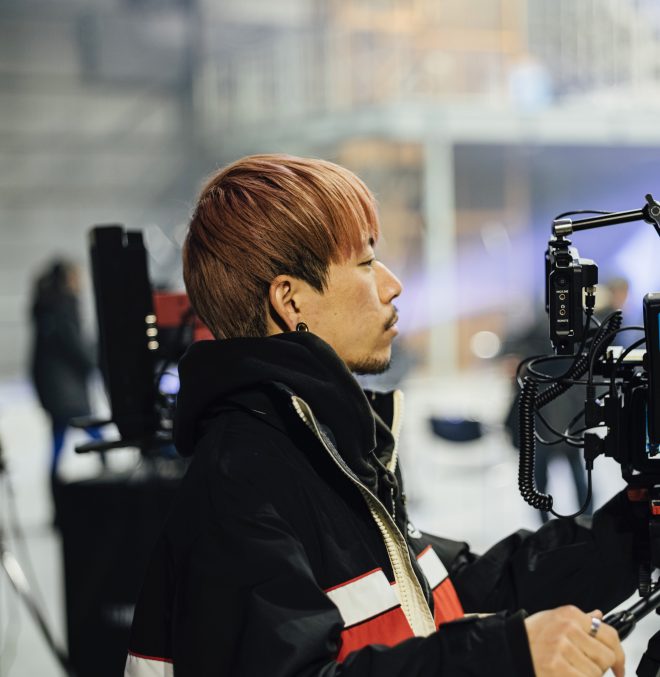
Originally entering the music industry as a musician, Ryo Minekawa is now a successful cinematographer and video director whose work spans music videos, live concert films, and a wide range of visual productions. Over the years, he has collaborated with artists and projects across many genres, bringing their music and performances to life through carefully crafted visuals.
In this interview, we talk about what first led him into video production, the philosophy that guides his work as a director, how he navigates creative blocks and pressure, and much more!
— Thank you for this opportunity to speak to you! To start off, could you please introduce yourself without mentioning your profession? We will get to that later!
Thank you as well for giving me this valuable opportunity! I was born in Tokyo, and I started playing music (bass) when I was in university. After dropping out, I spent some time actively pursuing band activities. I enjoy all kinds of art, including music, illustration, and film, and there was a period when I frequently went to live shows, exhibitions, and movies. I also love going out for drinks with people, so whenever I have free time, I usually end up going out for drinks!

— What inspired you to pursue videography work in the first place? Walk us through your process of becoming a visual director.
It all started when I was active in a band. Some of the members were able to handle recording and mix&mastering, while others could do design work, so I started wondering if there was something I could contribute as well. At the time, we were outsourcing all of our video-related work, and although I knew I wouldn’t be able to jump straight into making music videos, I thought I could at least learn how to create promotional videos. That’s what first got me into editing. Later on, I started uploading videos I made for practice to social media, and some directors and videographers I knew happened to see them and reached out to me. From there, I gradually started joining them on set, which eventually led me to where I am today.
— Do you still make music to this day?
Not anymore. After my last band broke up, I worked as a support musician for about a year, but I haven't really played since.
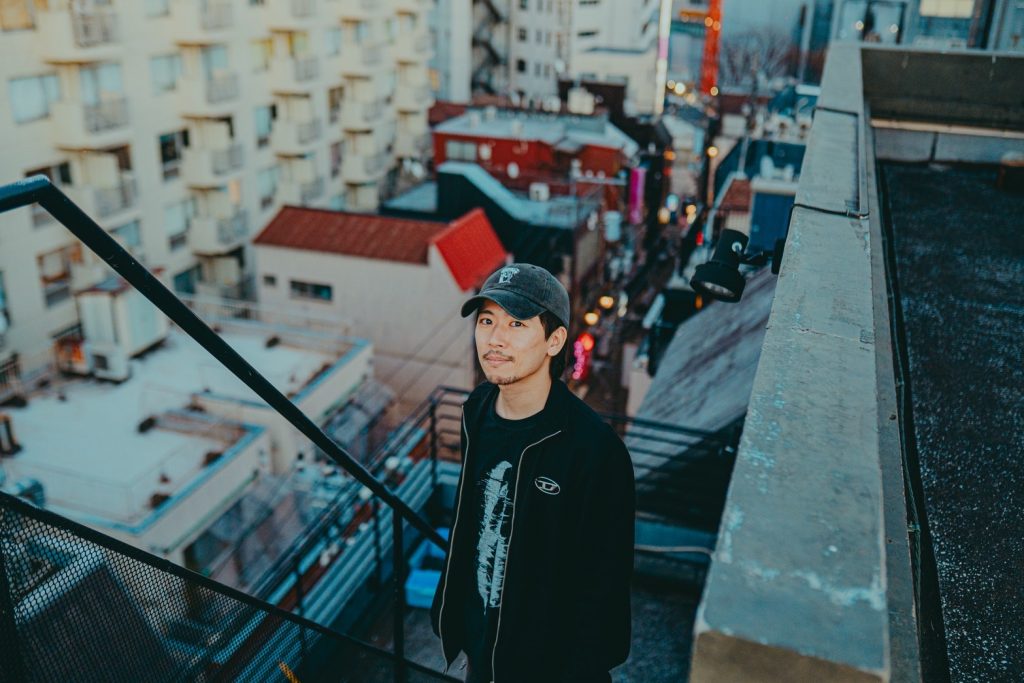
— You have experience working as a videographer as well as video director, and I imagine the two roles require different skills and perspectives. What’s something you consider especially important in your work as a director?
Personally, I see the biggest difference between being a videographer and a director as working alone versus working with a team. Of course it depends on the scale of the production, but on a directing job there can be separate teams for cinematography, lighting, production, art direction, hair and makeup, styling, and even more specialized departments.
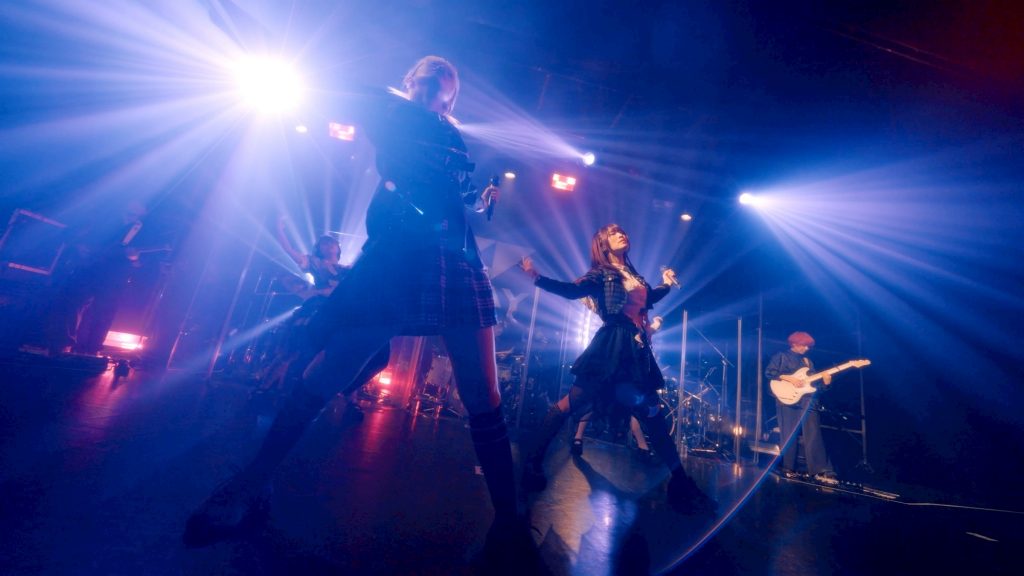
As a director you need to communicate your vision to the entire staff as clearly and in as much detail as possible beforehand, and on the day of the shoot you also need to maintain good communication not only with the crew, but with the performers as well, so that everything on set runs smoothly. Even when filming live shows, I think it only works if you clearly communicate to the camera operators what kind of shots you’re looking for.
Naturally, having strong creative and planning abilities is important, but I also think communication with the staff supporting the project is just as essential. On the other hand, videographers often have to handle all of those aspects on their own, which requires a huge amount of knowledge, and they also need to manage client work themselves. Both roles are challenging in different ways, and I think it really comes down to individual strengths and suitability.
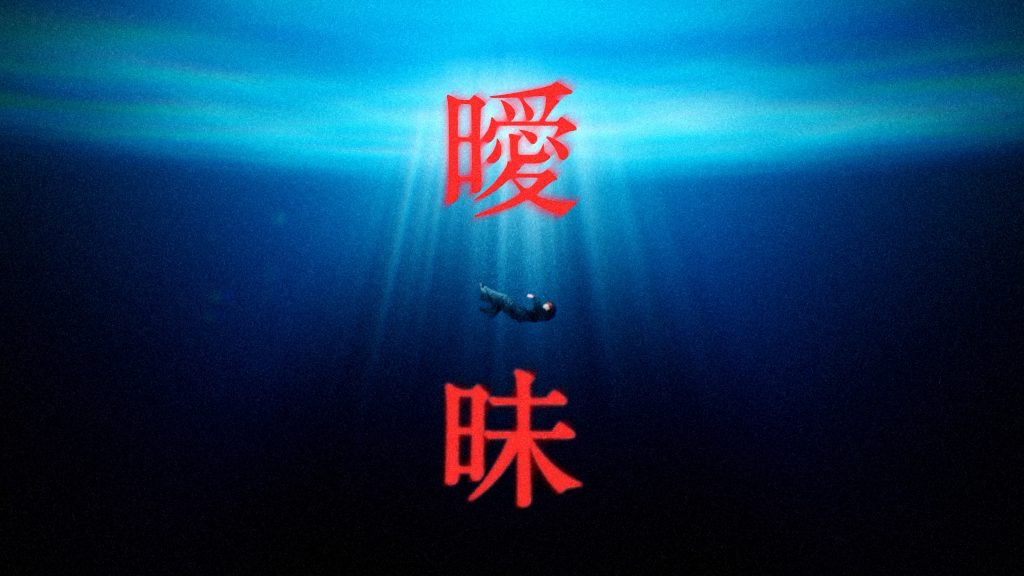 Lost Back’Point – Shadows (Music Video)
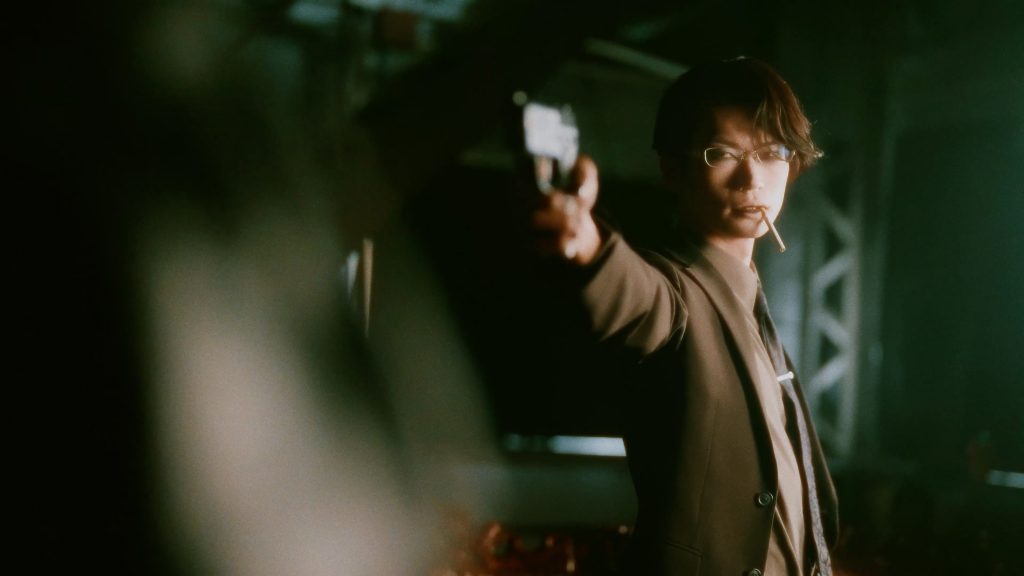 Zemn – Paper Bag (Music Video)
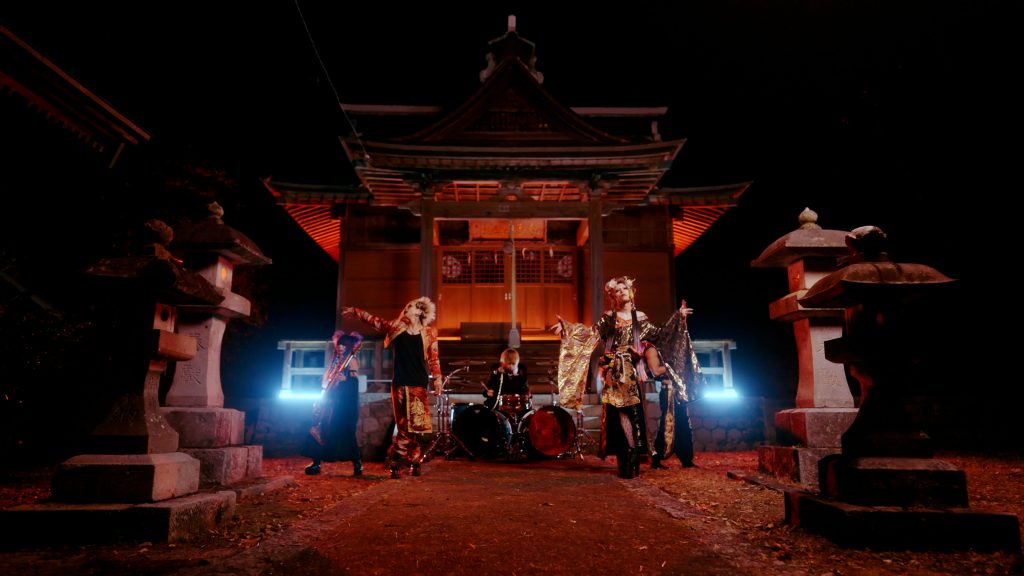 RENGEKI – 連撃 (Music Video)
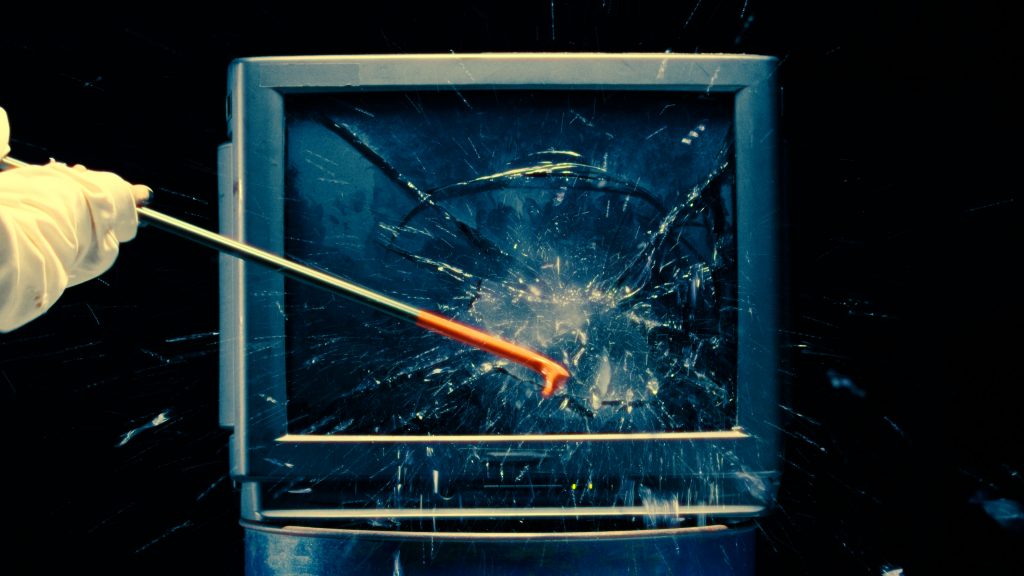 Lost Back’Point – Heartless (Music Video)
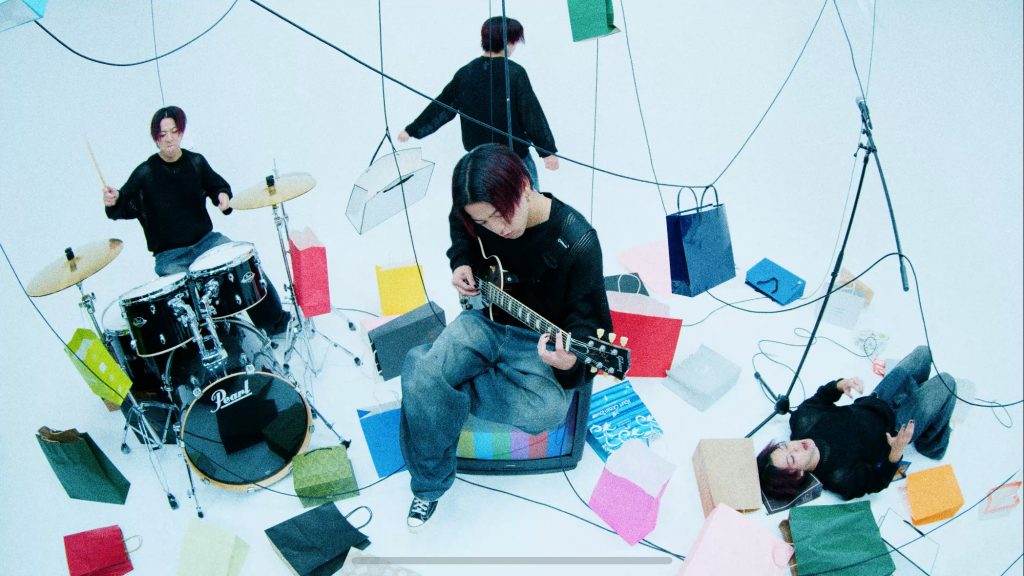 Amamp – bakemono (Music Video)
— What challenge did you face when you first started as a visual director?
When I first started out, I was often able to go to sets, where senior colleagues would teach me about on set etiquette and equipment, so I learned a lot through those experiences. But when it came to editing, I never really had anyone there to teach me directly, so I struggled with it quite a bit. Honestly, I still do sometimes (laughs). I spent a lot of time studying by watching tutorials and analyzing other people’s work, learning about editing structure, color grading, transitions, and so on. And whenever there was something I really couldn’t figure out on my own, I’d ask people I met on set for advice.
— What is your go-to camera and equipment? And what do you most pay attention to when choosing your gear?
As for equipment, I personally own an SONY FX3 and a Blackmagic Pocket Cinema Camera 6K (BMPCC). When it comes to music videos, I often use the BMPCC because I really like its color tones, and personally I find it easier to work with during color correction. However, when filming idol music videos, I tend to use Sony cameras such as the FX3 or FX6, mainly because the autofocus helps save a lot of time during production.
I wouldn’t say I’m especially particular about gear itself, but I do choose equipment based on the kind of color and atmosphere I want to achieve to match the artist’s image.
For live recordings, I almost exclusively use Sony cameras. The main reason is that they’re the most reliable for long recording sessions, and there’s also such a wide variety of lenses available. Since there are many adapters available for E mount (Sony’s lens mount system), you can also use lenses from other manufacturers or even cinema lenses, so there’s always room to experiment and keep things interesting.
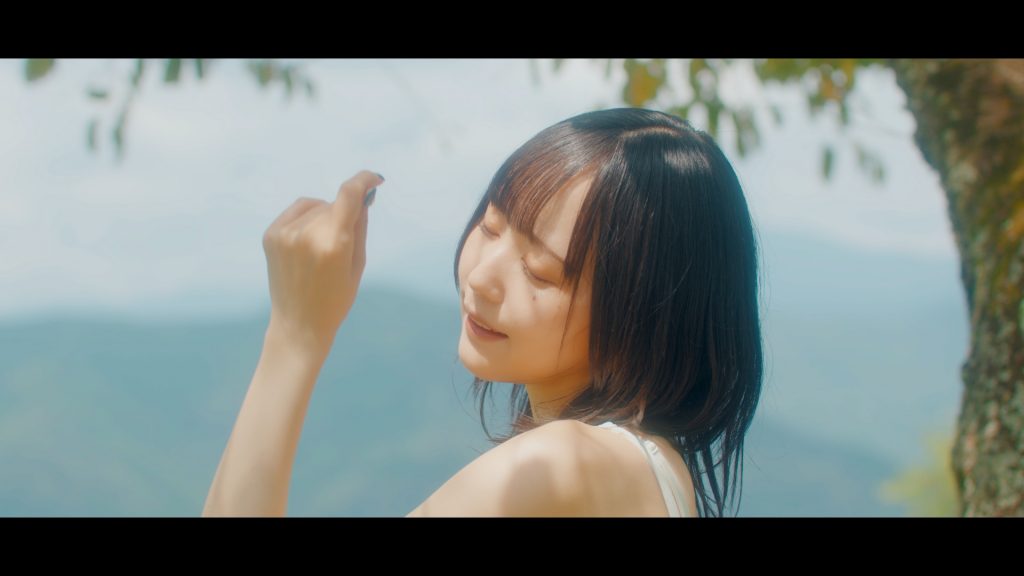
ー Every creative person must experience some kind of creative blocks or self-doubt. How do you push through those, and has that approach changed compared to the beginning of your career?
I think the most important thing is just trying things out first. Sometimes the ideas you have in your head don’t work out at all, but the opposite can also happen, where something you weren’t even sure about turns out much better than expected. And if you fail, you can use that experience to do it better next time. Honestly, that’s part of what makes the work enjoyable for me, so I’ve never really seen it in a negative way. In the beginning, I used to overthink everything and try to figure it all out on my own, but these days I’m more comfortable asking specialists for help with the things I can’t do myself. There’s a Japanese saying, “leave it to the specialists,” and I really believe that working with people who are experts in their field ultimately leads to better work.
ー I can imagine that for every project there are high expectations not only from the artists themselves but also from their fans. Where do you feel the most pressure when it comes to your work and how do you handle it?
I’m actually someone who tends to feel pressure quite easily, so I’m very sensitive to unfamiliar environments… Especially when working with an artist for the first time, I still get nervous every single time (laughs). From the planning stage onward, I’m always wondering whether they’ll like the atmosphere on set or the final result of the project. Once we’ve worked together more than once, it becomes a little easier because I start to understand their preferences better and the distance between us naturally closes. But even now, I still get nervous the first time working with someone new.
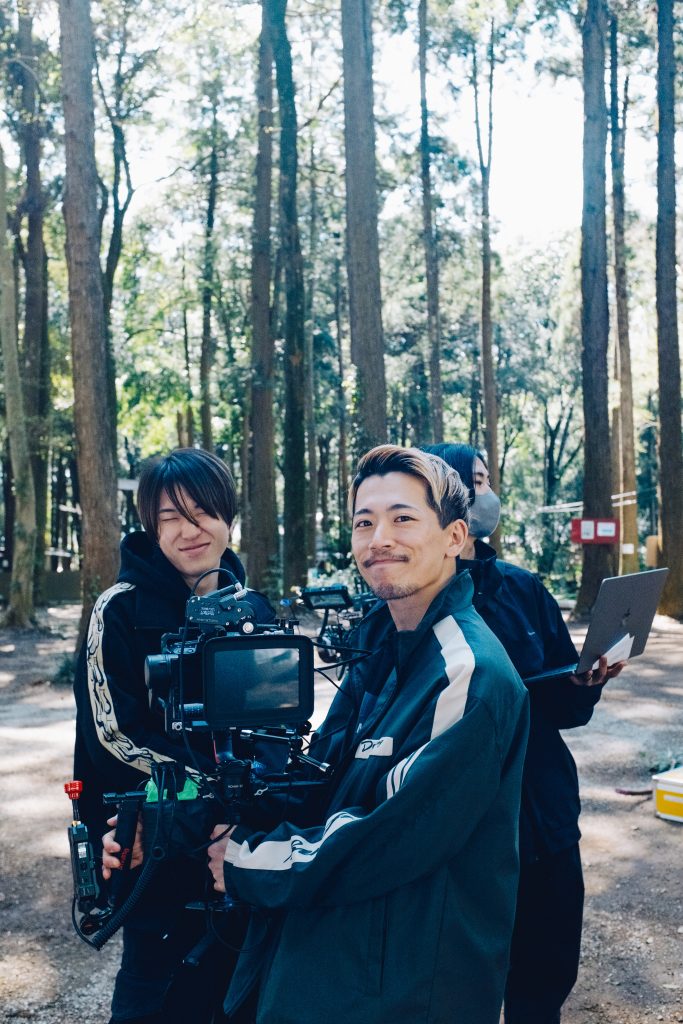
— Looking back on your career so far, was there a period you struggled with the most? How did you overcome it?
I think it was around two or three years after I first started working in video. In the beginning, I mainly worked as a camera operator on music videos and live recordings for other people. I already had aspirations of becoming a director, but at the time I felt that directing was something you couldn’t really start doing unless someone actually offered you the opportunity, so I wasn’t able to take concrete steps toward it myself.
People around me also started to recognize me mainly as someone who worked in the camera department for music videos and drama productions, and at one point I kind of lost sight of what I personally wanted to do.
Still, watching the directors around me made me realize that I really wanted to create works of my own. So I started openly telling people in different places that I wanted to become a director, and little by little, acquaintances began offering me opportunities. Thankfully, as I kept taking on those projects, the number of job offers gradually increased!
— Looking back on your career so far, is there any particularly memorable incident or unexpected situation that stands out to you?
During my first location shoot, we had prepared a second vehicle in addition to the equipment van I was driving, but the person driving the other car overslept by about an hour. After that, we were supposed to go around several spots in the city at night for filming, but after finishing at the first location and moving to the second, we realized we had left one of the lens cases behind at the first spot.
And to make things worse, while driving to the second location, I accidentally made a left turn where it wasn’t allowed and got pulled over by the police. In the end, the whole shoot ran about three hours behind schedule. It was a production full of mishaps from start to finish (laughs).
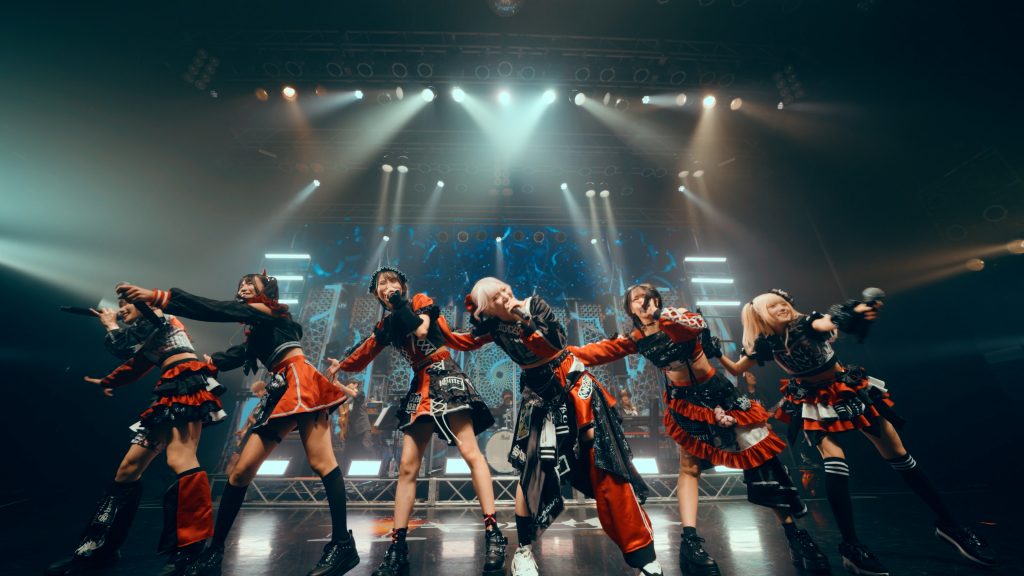
— Are there artists you would like to work with some day?
That would definitely be Ling tosite sigure (凛として時雨)! I’ve been a huge fan ever since high school, and I still go to their live shows to this day. I looked up to them back when I was active in a band myself, and even now, working in this industry, I still really hope that I’ll get the chance to work with them someday!
— What's your favorite song of them?
That's a very difficult question (laughs)! I genuinely love all of them, but if I had to pick just one song, it would be "moment A rhythm." It's a fairly long track at around seven minutes, but somehow I find myself completely absorbed in it, and it actually feels too short by the time it ends. I love its atmosphere and the way it develops throughout the song. It's difficult to put into words, but there's also something nostalgic about it. Whenever I listen to this track, I can forget everything else for a while.
— Is there an aspect of your job that is a non-negotiable for you?
This is actually something I still consider one of my own challenges: developing and expressing a style that is uniquely mine. Now that video content has become so widespread and more and more people are making a career out of it, I’m constantly searching for something that only I can create. When time or budget constraints force you to cut certain elements, I always try to think carefully about what absolutely cannot be removed. If that key element disappears, the work risks becoming something ordinary or generic. I enjoy coming up with those kinds of creative ideas and directorial touches, and honestly, I feel that without them there would be no reason for me to be the one making the project in the first place.
There may be principles in video production, but there's no single right answer.
ー What kind of process and approach do you think are necessary to achieve your goals and dreams?
I think it’s important to put yourself out there, even in small ways. For example, if there’s a particular artist you want to work with, people won’t know unless you actually say it. We’re fortunate to live in an age where social media gives us an easy way to showcase our work and let people know what we’re capable of creating.
Beyond that, I think communication is incredibly important. When working on a creative project, everyone wants to collaborate with people they enjoy working with. No matter how much skill or experience you have, if that aspect is lacking, it can be difficult to grow your network and create new opportunities.
ー Speaking of dreams, do you currently have a dream?
My dream is to open a café by the sea and build a life there. I’m not particularly fond of crowded places, so I’d like to live in a town that’s lively but not too busy. At the same time, I’m not the type of person who enjoys having too much free time, so I’d love to spend my days running a café while living by the coast.
— Oh, that surprised me a little, since you spend so much time in crowded environments through your work, especially at live venues. Does being there as part of your job make it easier, or is it something you've simply learned to cope with over time?
I get told that a lot (laughs). It's a bit difficult to explain because it's more of a feeling than a logical reason, but everyone at a live venue is there because they're excited for the show that's about to begin. In a way, it feels like we're all part of the same group. Everyone is there with the same mindset, and the atmosphere is very positive, so I actually enjoy being surrounded by that energy. As for filming, I'm usually inside the barricade area or off to the side of the stage, so there's also quite a bit of physical distance between me and the crowd (laughs).
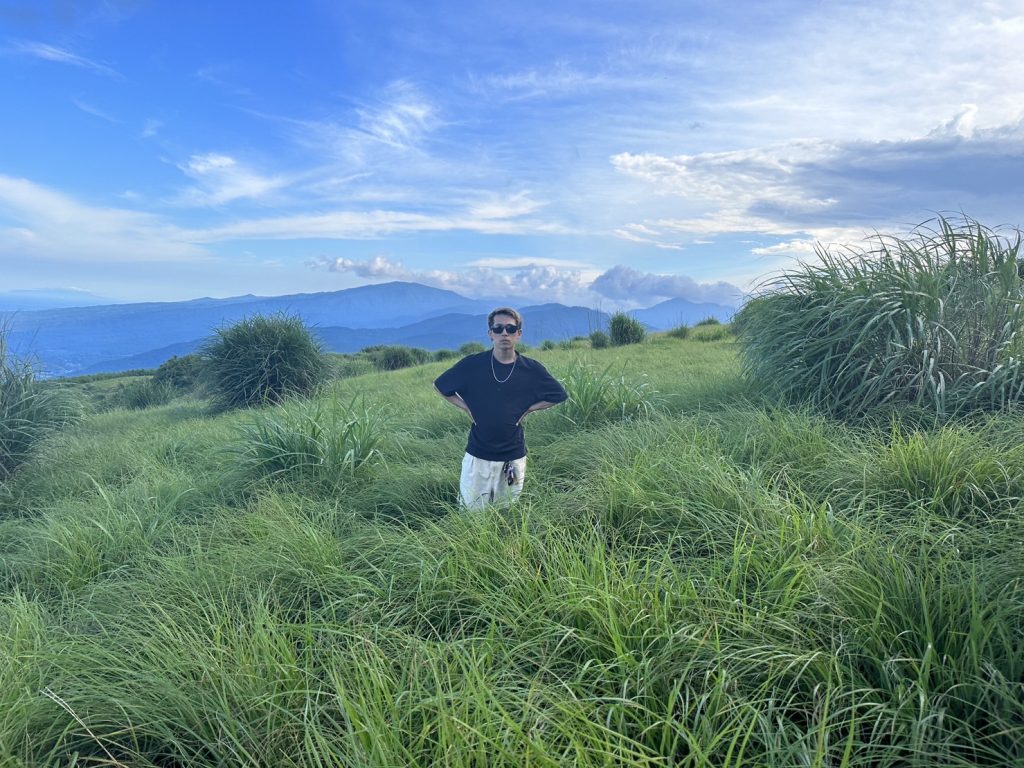
— Do you have any advice for people starting out in videography?
I think that while there may be principles in video production, there's no single right answer. By watching lots of different works and developing your eye, if you keep striving toward the kind of work you want to create, it will naturally start to take shape.
— And last but not least, what would you say is the biggest reason why you’re doing what you’re doing?
One thing I always try to do is stay close to the artist’s vision. I believe that, in the music industry, video work is ultimately built around the artist and their music. My job is to turn what they want to express into visuals. Then, by adding my own creative perspective, we create something together that neither of us could have made alone.
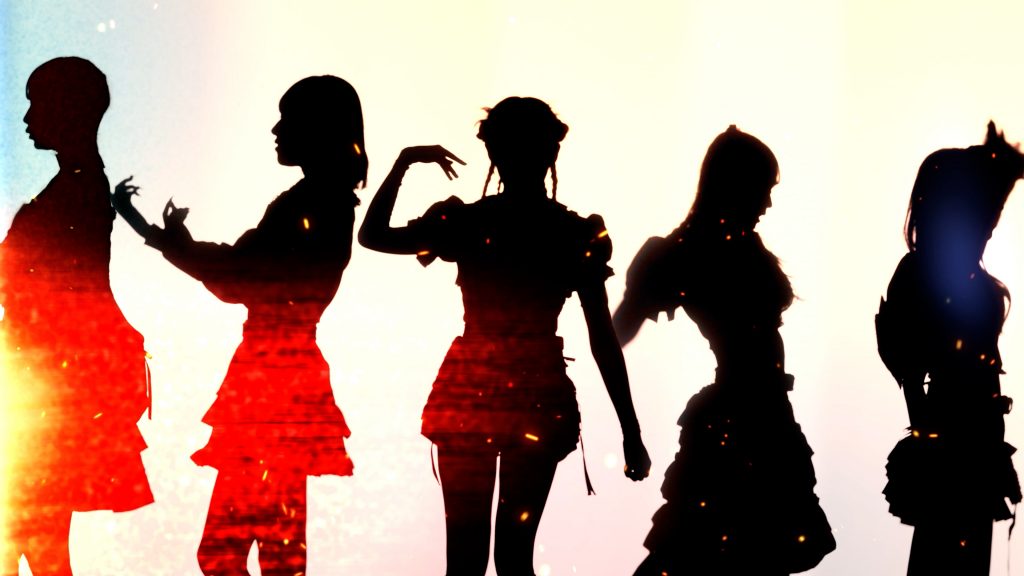 キングサリ – シークレットガール(Music Video)
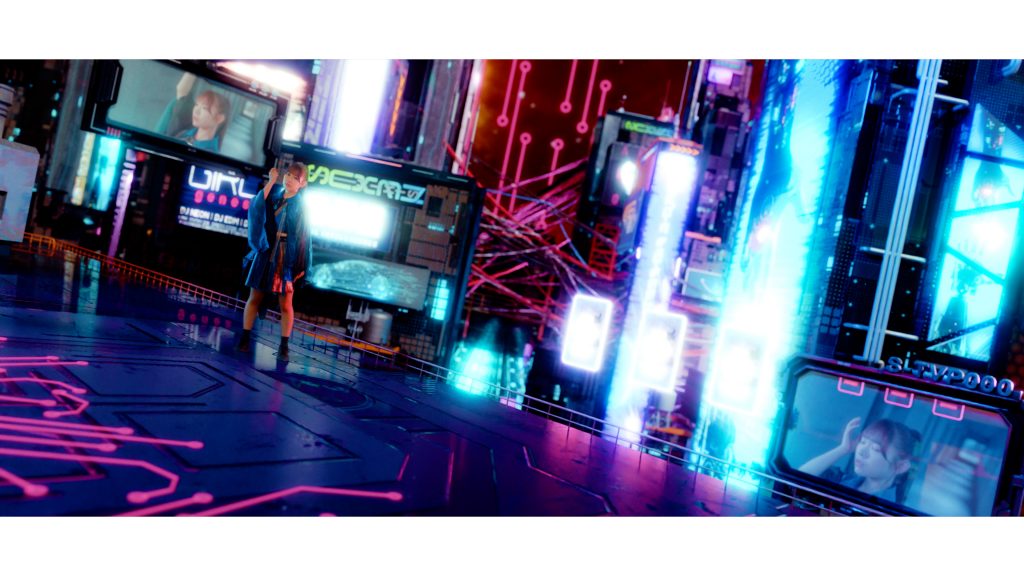 INUWASI – nightmare mode (Music Video)
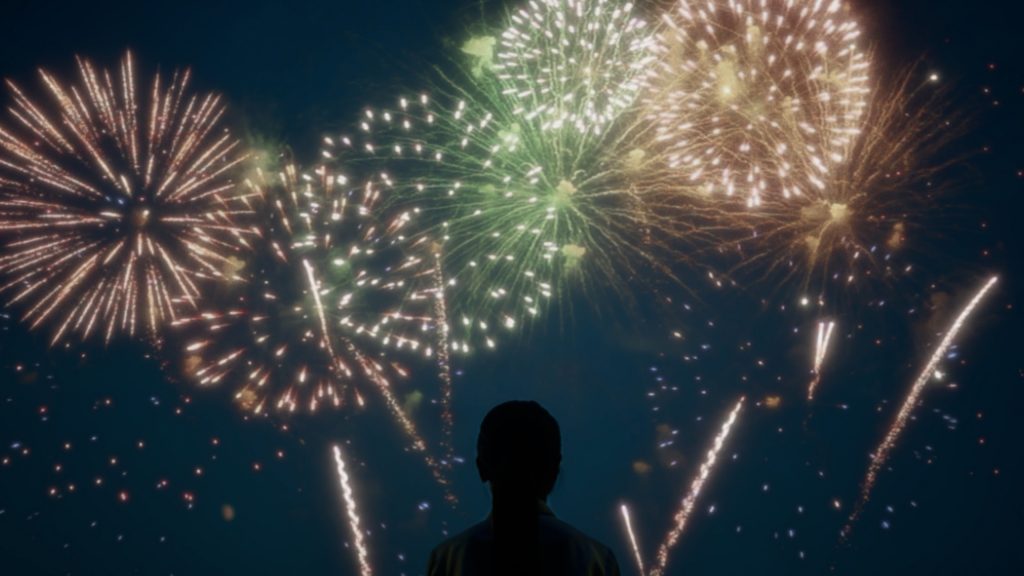 A型家電 – 記憶の水槽 (Music Video)
Interview: Olga Mazlina
Check out Ryo Minekawa's work here: