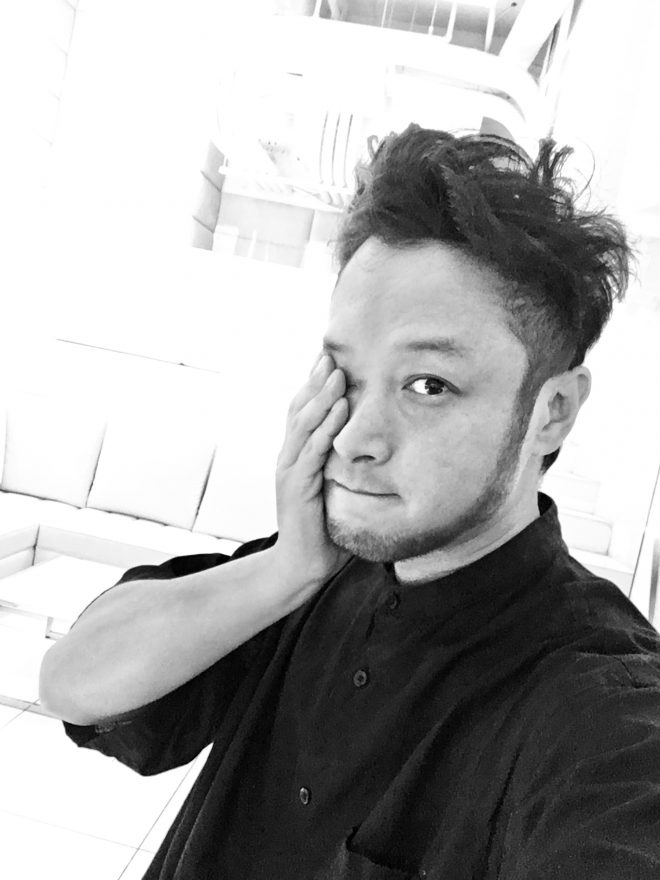
Have you ever been to a concert or nightclub where the lighting alone already left a lasting impression and completely transformed the atmosphere? I think most of us have. But who is behind it, and what does the job actually involve? We had the pleasure of speaking with AKIRA ISHIYAMA, a lighting operator, designer, director, and technician who works on everything from large-scale concerts at venues like the Nippon Budokan to small intimate nightclubs. We talked about the behind the scenes of his work, the most common misconceptions about his job, what skills it takes and how much thought and concept is actually behind lighting at every event.
— Thank you for this opportunity to speak to you! To start off, could you please introduce yourself?
My name is Akira Ishiyama and I work in lighting for nightclubs, live shows, and events. I’m 42 years old and originally from Kawasaki. Outside of work, I got back into tennis about seven years ago after playing in high school. I now play once or twice a week and regularly participate in matches, although when work gets busy, I sometimes can’t play at all. Another hobby I’ve picked up through my work is DJing. I occasionally get invited to perform and entertain the crowd. I mainly play House, Deep House, Techno, and Drum and Bass, and I’m fortunate to get a great response from the crowd.
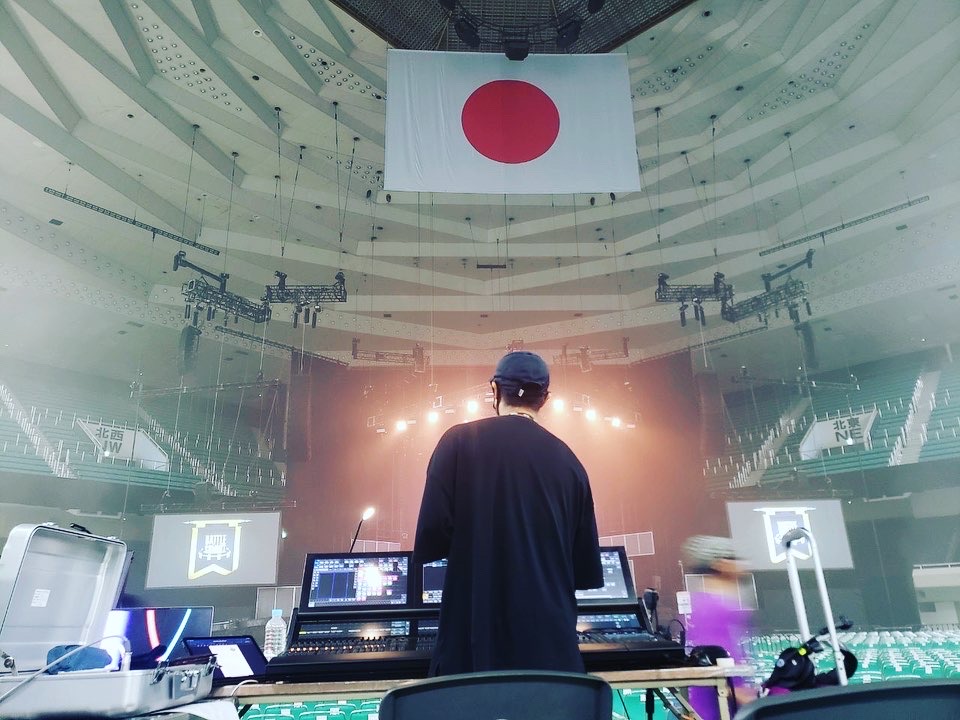
— What made you want to pursue lighting?
When I was working at a filming studio in the visual production industry, mainly on commercials and music videos, I became interested in fashion shows. As I started getting involved in them, I was wondering whether there a way I could use my own skills there. Since I was also handling lighting as part of my studio work, I thought I might be able to contribute in that area, which led me to join a company specializing in lighting for fashion shows. Looking back now, I realize that studio lighting was a completely different world…
After that, while working at various fashion shows and events, I had the opportunity to operate lighting at an event for a streetwear brand. I was told, “You can move the lights however you like, in sync with the DJ.” There were only four moving lights (fixtures that produce beams, patterns, and colors), but that experience marked the beginning of my career as a lighting operator. At the time, simply operating moving lights felt incredibly refreshing. It was almost like operating a Gundam, and I remember how much fun it was.
Also, since I personally loved club culture and dance music, I naturally transitioned into the club and live music industry, which is where I continue to work today.
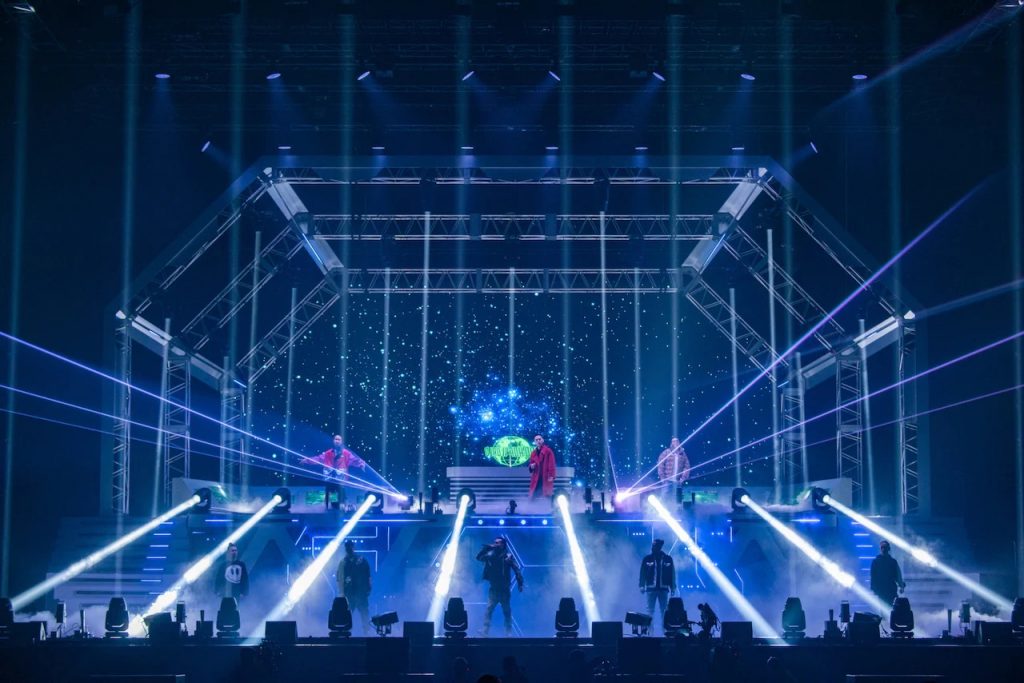 BAD HOP at Yokohama Arena
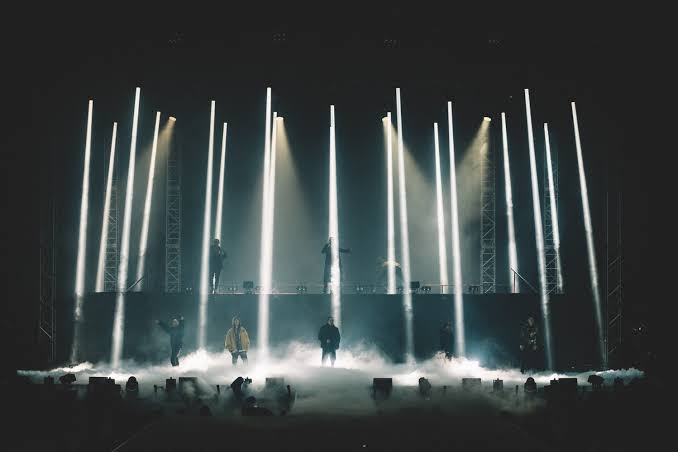 BAD HOP at Yokohama Arena
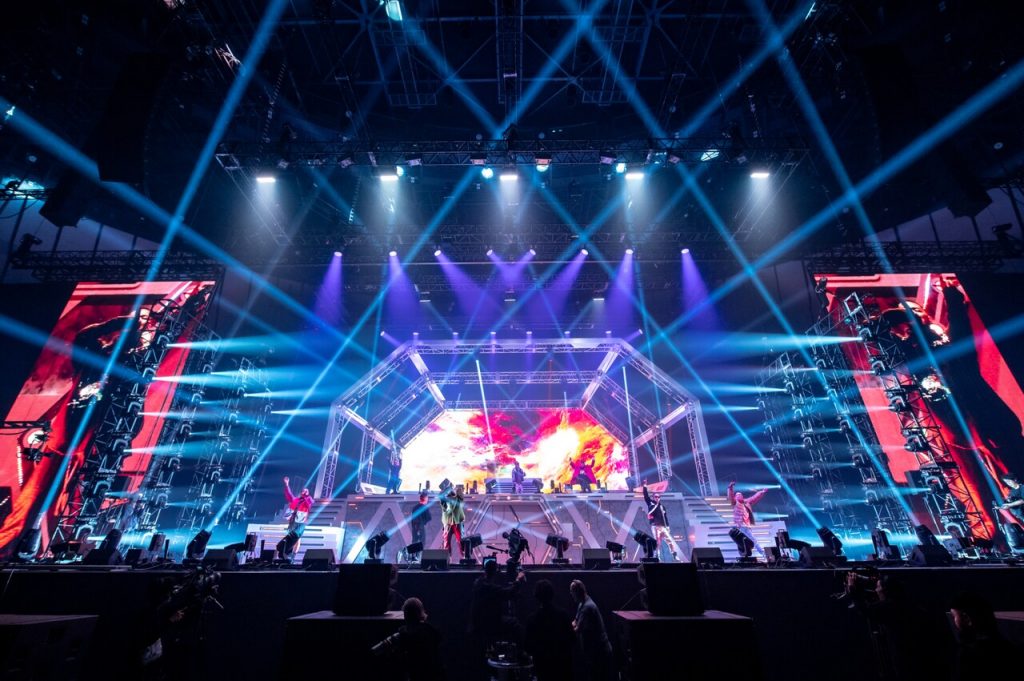 BAD HOP at Yokohama Arena
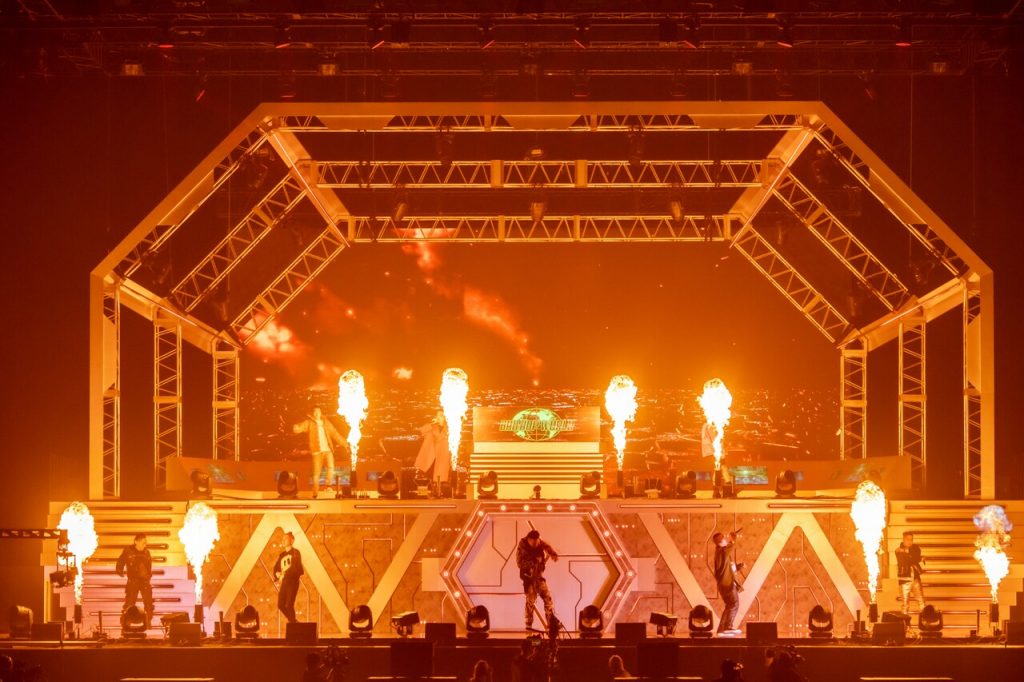 BAD HOP at Yokohama Arena
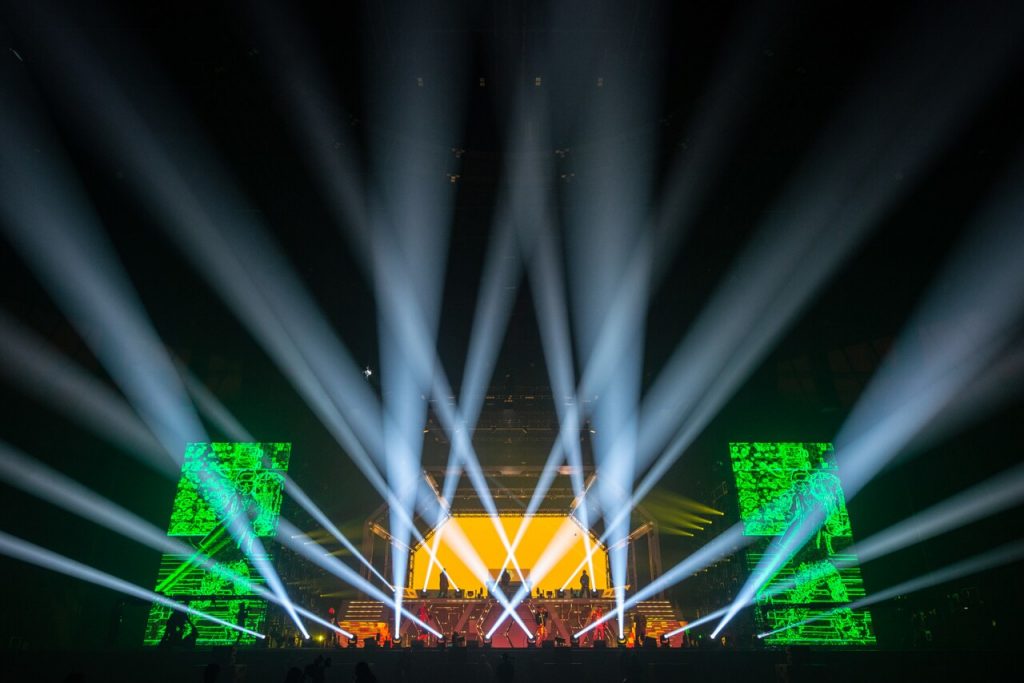 BAD HOP at Yokohama Arena
— Could you please explain the specific differences between the roles of lighting operator, technician, designer, and director? What skills are required for each position?
Even though they’re all referred to simply as “lighting,” the role in events and stage productions is, unlike the film and video industry, actually divided into quite a number of specialized areas. Especially on larger productions, this division becomes even more detailed, and the work is carried out in a fully segmented, specialized system.
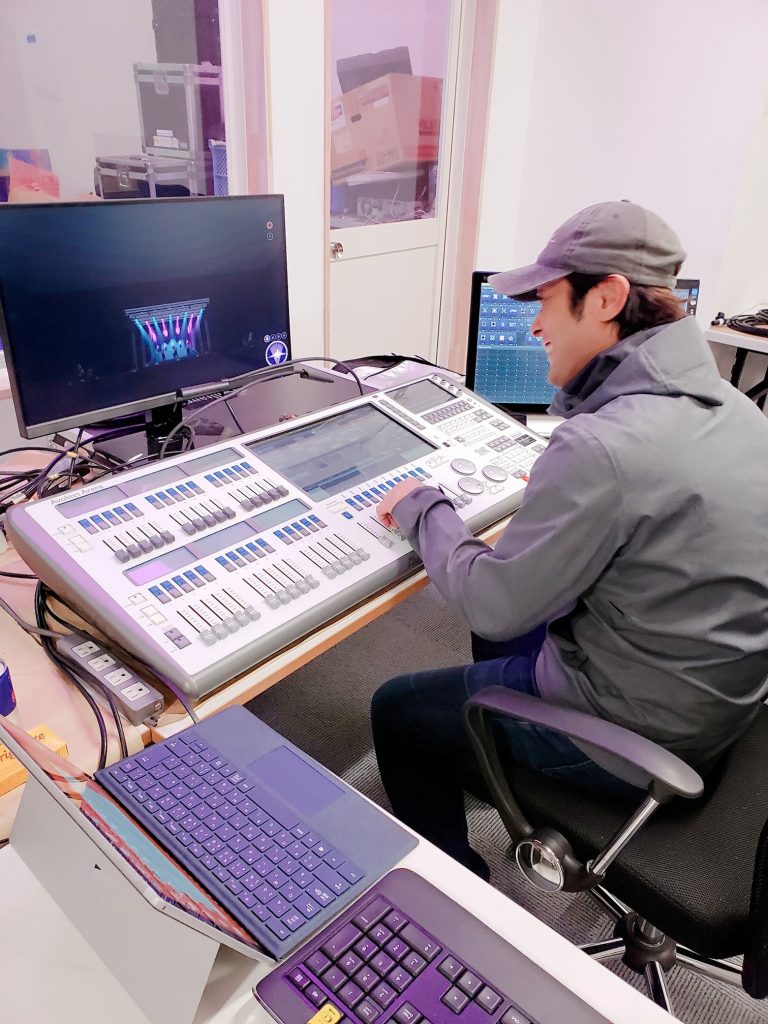
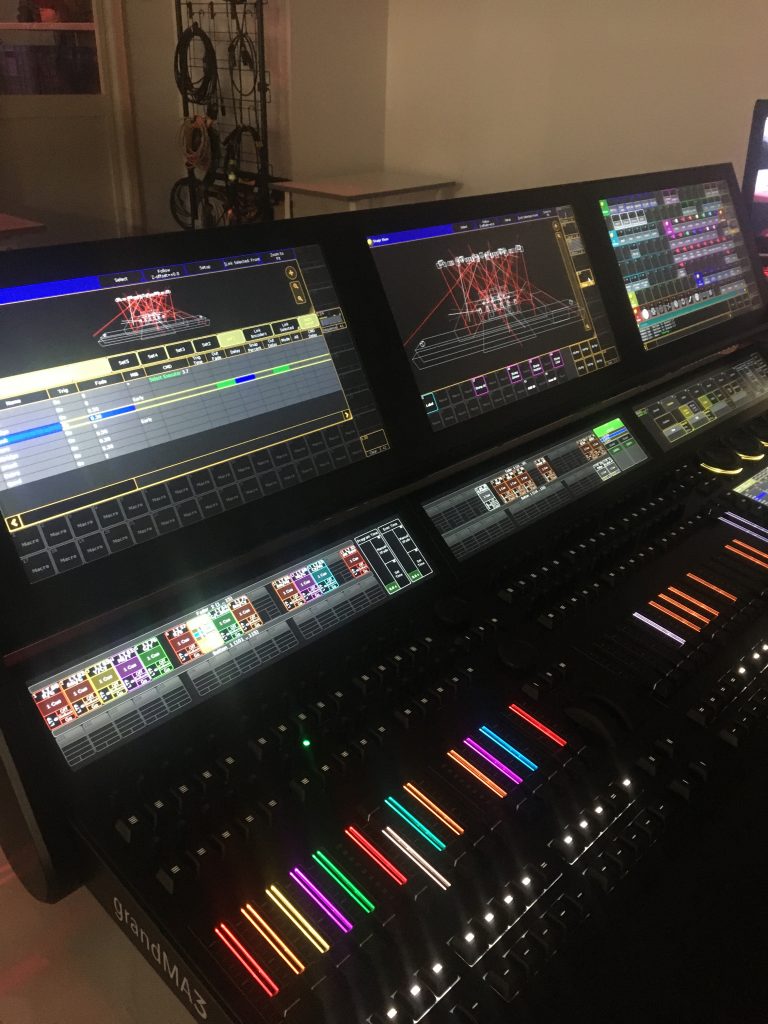
A lighting operator is the person who actually controls the lighting during a show. They also often take on the role of a lighting programmer, setting up each individual lighting fixture. Their main job is to control the pre-programmed lighting during live shows and events, so they’re the one glued to the lighting console for hours (laughs). Depending on the audience, the performers, and the atmosphere of the moment, they need to adjust brightness, colors, patterns, and movement in real time. This requires not only strong control skills but also the ability to modify the program on the spot.
Lighting designer is responsible for selecting lighting equipment, as well as planning its placement and installation methods, in line with the requirements of each project. The design is developed while taking into account the client’s requests, the lighting budget, and the constraints of the venue. The positioning and rigging methods are extremely important. At the same time, as lighting designer you must also consider other departments such as sound, video, special effects, and stage design. As a result, the process can be quite time-consuming. However, since the lighting department cannot proceed until the design is finalized, it is also a role that requires being able to make decisions quickly. In addition, knowledge of design software such as Vectorworks and 3D visualizers is also required, so a large portion of the job involves spending long hours in front of a computer.
A lighting technician is a general term that encompasses roles such as lighting engineers, network system engineers, and fixture engineers specializing in moving lights. They are responsible for creating the setup plan, coordinating with designers and programmers, determining patching and network configurations, arranging equipment, overseeing on-site lighting setup, coordinating with other departments, managing the process, and handling tear-down after the event. It is one of the most crucial roles for ensuring that the production runs smoothly, requiring a high level of experience and technical knowledge.
While this is a broad overview of the main roles, on small to mid-scale productions it is common for one person to take on all of these responsibilities. With ongoing advancements in lighting technology and the constant introduction of new equipment, it’s a continuous process of learning every day…
— When it comes to designing lighting, where do you start and how much communication or information do you need from the artist and their staff in advance?
First, I start by thinking about the artist’s and client’s intentions, as well as the overall atmosphere. Is the artist aiming for something bold and extravagant? Or is it more of an emotional, stripped-down performance centered around singing with minimal accompaniment? Is it something bright and flashy like an idol performance? Or flashy in a more masculine way? Is it a futuristic, sleek, and almost mechanical kind of flashiness? Or something deeply emotional that might even bring the audience to tears? Or perhaps a delicate, subtle atmosphere that gently resonates on a deeper level? Based on this, I first define a broad direction such as what the client wants it to generally feel like, as well as what the clients does not want, and then develop the design accordingly. From there, I refine it further while taking into account coordination with other departments and the practical constraints of the venue.
When time is limited or there aren’t many specific requests, having a rough idea of what the client absolutely does not want alone is often enough to allow the process to move forward smoothly.
— What is your usual process, starting from you getting the job to the actual day of the event or concert?
First, I start with a site inspection. I don’t only work at live houses or halls that regularly host events, but also at places like train stations, public places, and even temples, which are locations that don’t usually have anything to do with events (laughs).
After the site visit, the process typically involves estimating the budget, arranging engineers, holding meetings, finalizing the design and plan, preparing the equipment, programming the lighting, and finally the show itself.
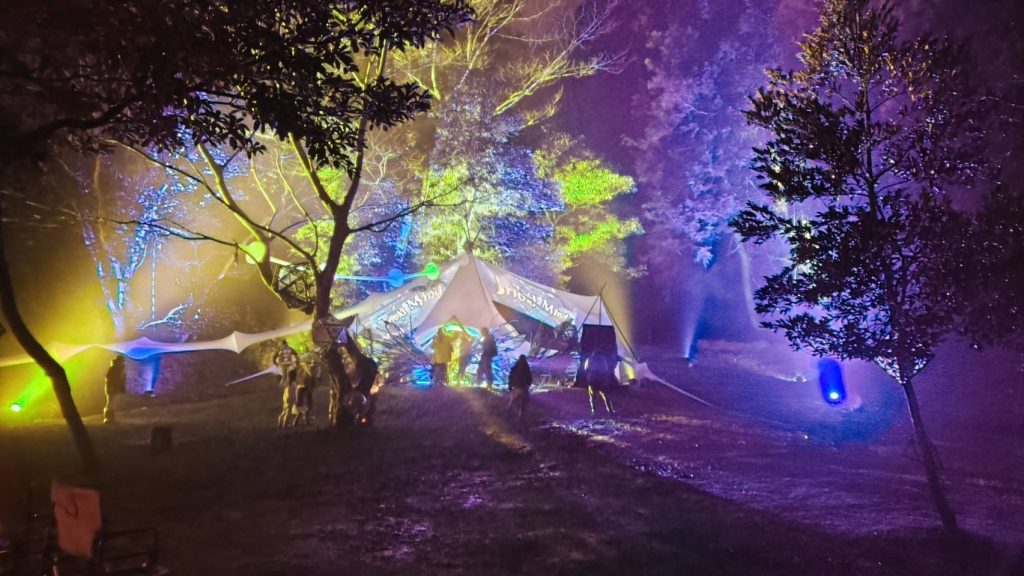 Lighting for an outdoor DJ event
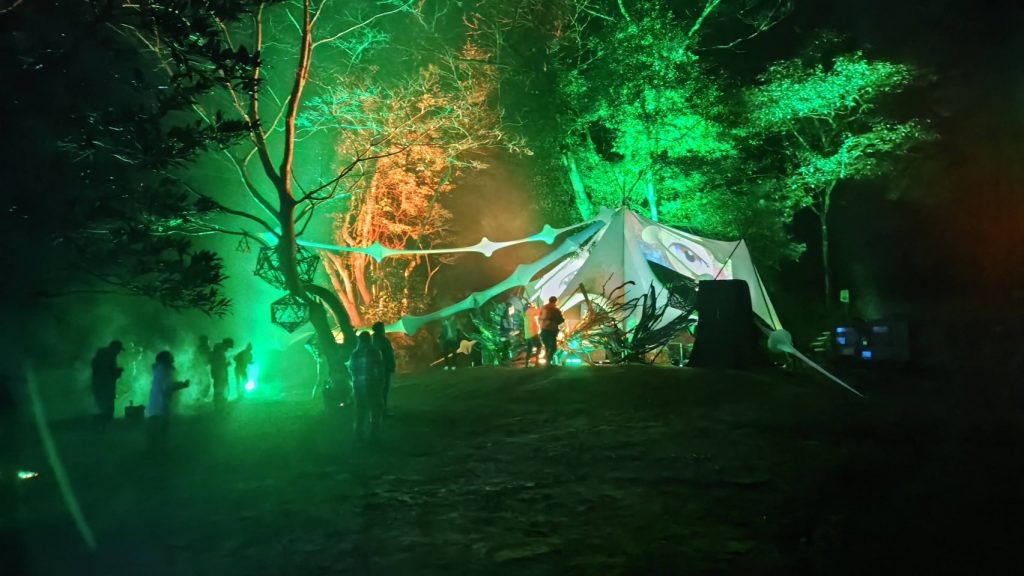 Lighting for an outdoor DJ event
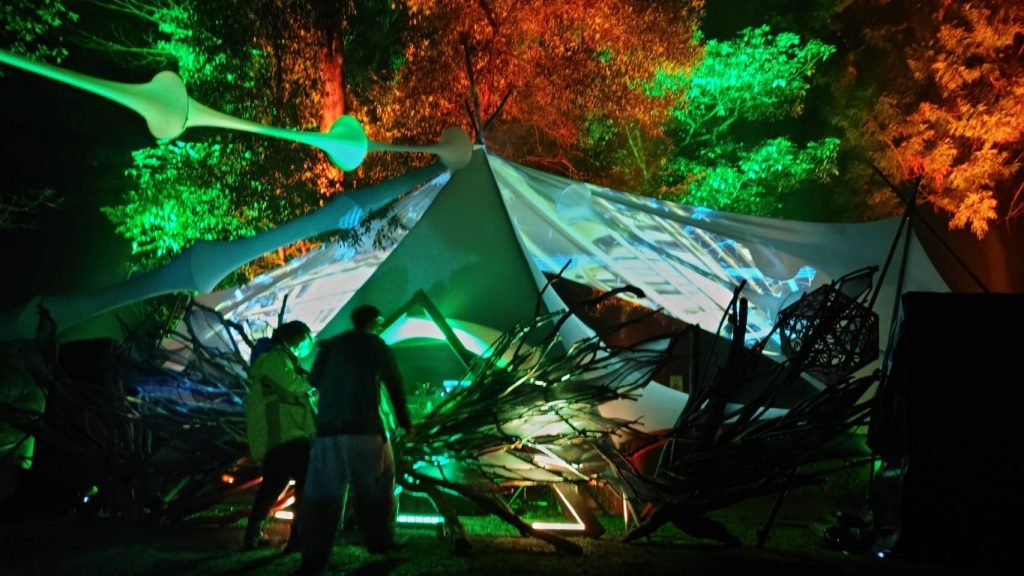 Lighting for an outdoor DJ event
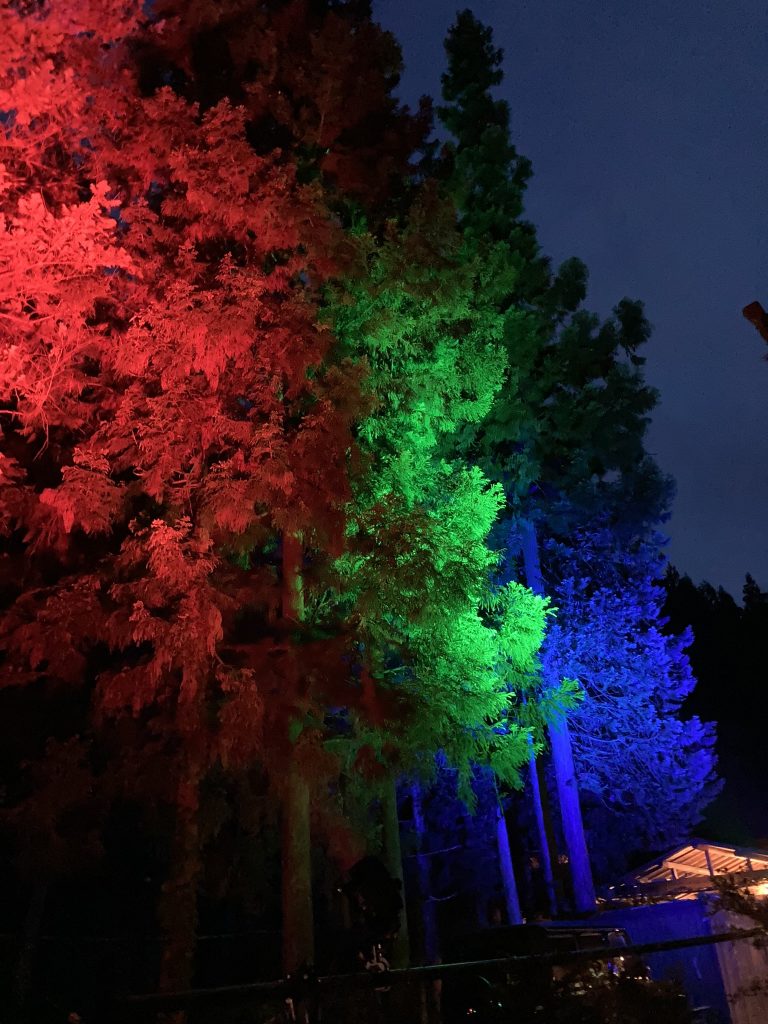 Lighting for an outdoor DJ event
It means a lot when someone says my work really “hit home” for them. Moments like that make the beer taste even better (laughs)
— How much of lighting is actually programmed in advance and how much has to be done on the spot?
Programming for a one-man live show usually starts about two weeks in advance. For club lighting as well, I typically begin around two weeks ahead, starting with building the setup in a 3D visualizer. During live shows, since we’re mostly running cues that have been programmed over several days in advance, it’s not actually that busy during the performance itself. However, when operating lighting in a club setting, I’m constantly working manually the entire time. After operating for six to eight hours straight, I’m completely exhausted. Still, watching the audience’s reaction never gets old.
— How do you balance your ideas and the artists vision?
I always try to respect and incorporate the artist’s vision as much as possible. Instead of thinking “this can’t be done,” I focus on how it can actually be achieved also by consulting with others. At the same time, across the entire show I aim to consistently deliver at around 60–70%, and then really lean into my own style when it comes to the genres, sounds, or atmospheres I’m strongest in. It’s about maintaining that balance. Since my personal style isn’t always something that’s widely popular, it means a lot when someone says it really “hit home” for them. Moments like that make the beer taste even better (laughs).
— What is something about your work that audiences may not notice, but that you wish more people paid attention to?
I will explain this one in detail!
Let's take club lighting as an example. To put it simply, I approach the entire floor each night through several key phases:
1. “Observation”
2. “Ambiguity (abstract)”
3. “Synchronization (concrete)”
4. “Explosion.”
Those are the four key phases.
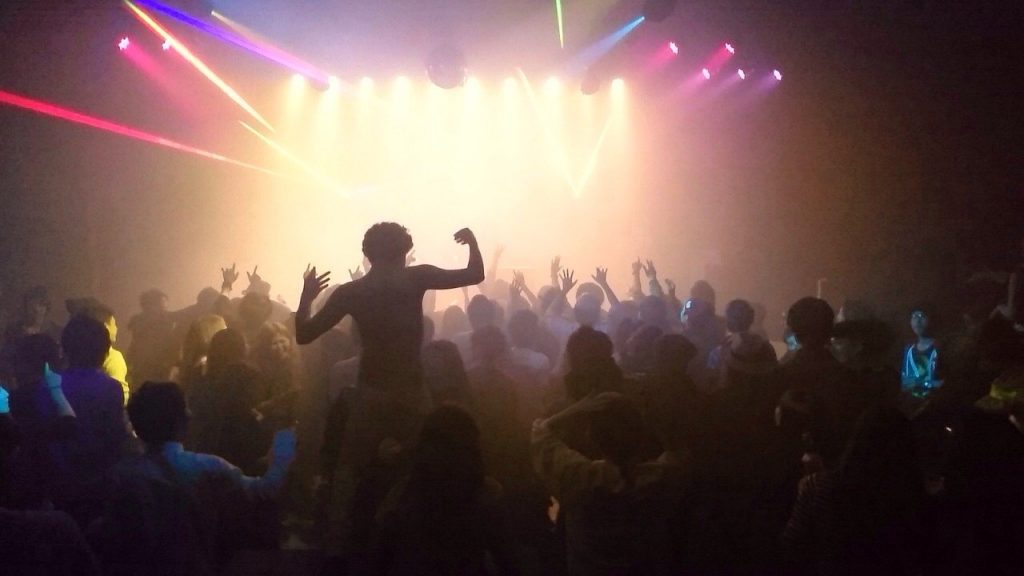
1. “Observation” is when I carefully watch the crowd on the dance floor and take in the overall atmosphere. On the dance floor, there are people chatting with friends, people dancing while looking at the floor, and others who seem bored, looking at their phones. The atmosphere is constantly changing. From the lighting booth, I observe the floor, the bar, and the VIP area, always trying not to miss the moment where is the spark is. Because of that, I intentionally build things up without going too aggressive too early, gradually pushing the energy until the crowd reaches that point where it feels like, “Do whatever you want now!” that peak of excitement. Once the floor hits that “anything goes” state, almost anything will land. And if you see someone on someone’s shoulders, you know you’ve won (laughs).
2. “Ambiguity (abstract)” is about creating immersion for the audience. I keep things relatively dark, hold back on speed, and intentionally avoid making the lighting too interesting. For people dancing while looking down or just starting to get into it, I match the structure of the music with breaks and builds. At the same time I avoid overly aggressive lighting and deliberately exclude what you might call “social media-friendly lighting” or flashy “lighting show” moments. It’s essentially a teasing phase, where the audience fills in the gaps with their own imagination.
3. “Synchronization (concrete)” comes into play when the DJ pushes the energy up a notch or two above the crowd. To make that shift clear, I switch gears and use more aggressive lighting: something more direct, with a sense of drive, even a bit “social media-friendly” and visually striking. Interestingly, once that kind of bold, easy-to-understand lighting hits, people often leave the floor for a moment to grab drinks (laughs). While waiting for them to come back, I keep raising the intensity on my end. Then, as they return, the view of the floor, especially from the bar, lands differently, and the lighting feels more exciting. By that point, the floor has warmed up significantly, naturally leading into “4. Explosion”. I always try to operate with this kind of “large wave” in mind over the course of a night.
Overall, party lighting shouldn't be observed in an analytical way, but rather felt while a bit drunk. I think that’s one of the biggest differences from live show lighting, where the focus is constantly on the stage.
— Speaking of clubs, you are actually also DJing! How was it for you switching from lighting to being a DJ?
Becoming a DJ actually gave me more ways and opportunities to connect with other DJs and performers. Talking with them, I’ve realized that there actually isn’t such a huge difference between performers and staff when it comes to things like music or equipment. Even the problems we deal with in our respective positions often lead toward the same end goals. Things like attracting audiences, how to behave as a DJ, how to carry yourself, or how to engage with Japanese club culture. Working in lighting, there are perspectives I simply don’t get access to, but through DJing I’ve also been able to interact directly not only with performers, but with customers as well. There are so many different opinions and points of view, and by being a DJ it’s become much easier to gain all kinds of new input.
— Did the DJing have any other influence on your work?
I would say that I’ve definitely developed the ability to translate what a DJ is playing into lighting and “visualize” it from the perspective of lighting. However, I’ve also become much more aware of the “gap in energy” between the atmosphere on the floor and the DJ’s performance, so for someone like me, whose operating style places more emphasis on the audience than the DJ, I’m not really sure whether that’s a good thing or a bad thing…
Aside from that, I’ve also become much more conscious of mixing techniques, volume adjustment, and musical keys during a set. There are so many DJs out there who may not necessarily be famous, but are extremely skilled. I’ve really come to appreciate DJs who can read the atmosphere around them while they play. At the same time, and this may sound contradictory, I also enjoy DJs who don’t read the room and instead lead the crowd forcefully like a rock star. I like being able to see the strength of their conviction and the way they stick to their own style.
— What would you say are the biggest misconceptions about your job?
One misconception is that programming is easy, or that it’s all done automatically. I often hear things like, “It’s all handled by a computer, so it must be simple.” Another misconception, though this isn’t limited to lighting, is that when I work with certain music genres as part of my job, even if it’s not something I usually listen to outside of work, people just assume that that’s my favorite music (laughs).
— What are some moments where you usually think, "I am so glad I have this job"?
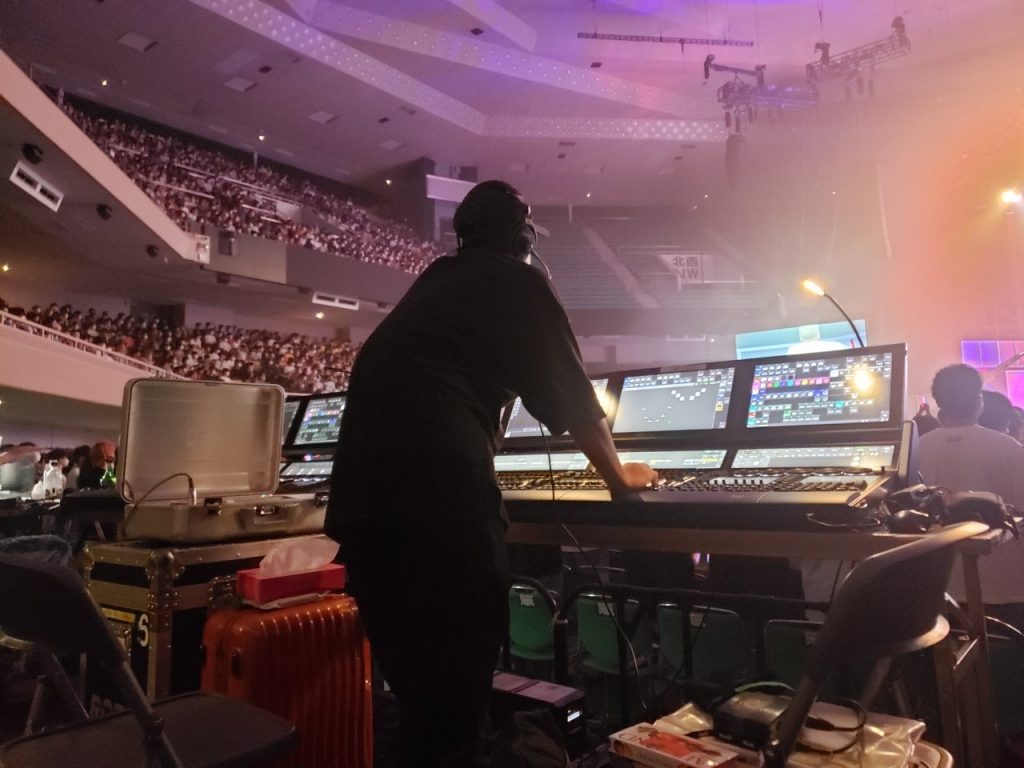
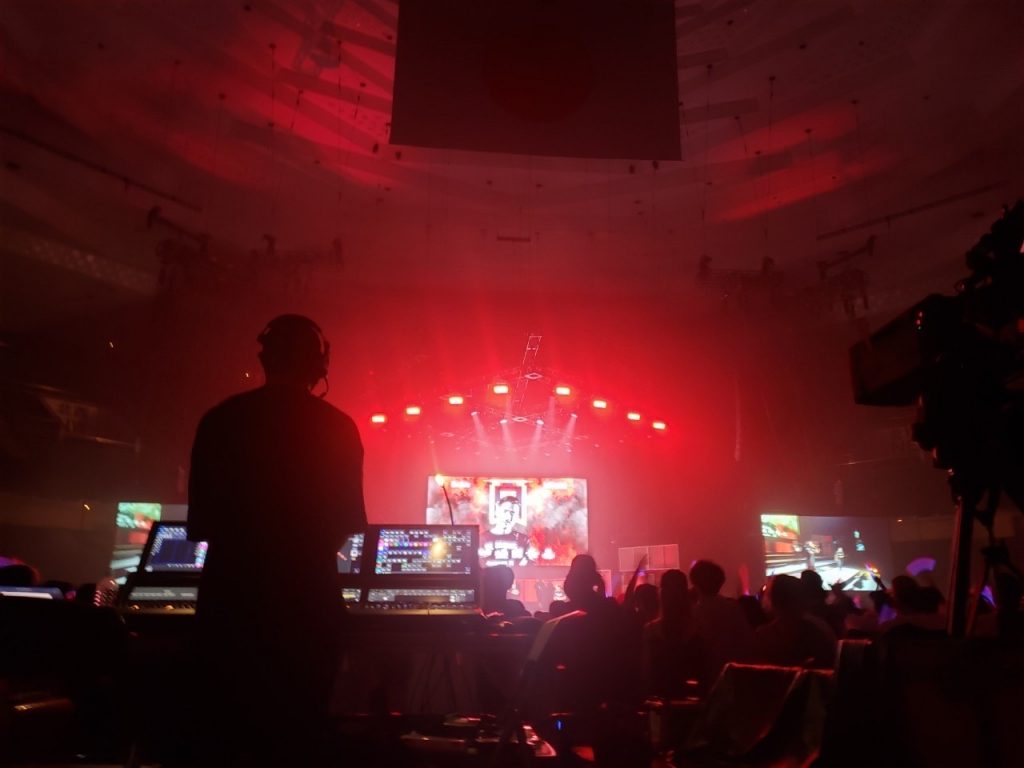
Working as a lighting operator at live shows and events I get to watch the performance from the very best seat. The FOH (Front of House) booth, where technical staff such as sound and lighting engineers are positioned, is usually located at the center toward the back of the venue, and the view from there is incredible. If you want to see the artist’s face up close, you are better off being near the front, since the FOH booth is quite far from the stage. However, in terms of sound and lighting, it is definitely the best spot.
Another positive, although it may slightly contradict what I mentioned earlier, is that the job really broadens your musical horizons. You naturally become more knowledgeable about music than the average person, and I have come to enjoy all kinds of genres, even ones I never used to listen to before.
Also, while I do work on weekends and public holidays, I can go out during the week, which is great since places are usually less crowded (laughs). On the other hand, it is often difficult to take time off around the New Year, and I have not had a proper holiday during that period in over ten years…
 Operating lighting at the Pia Arena
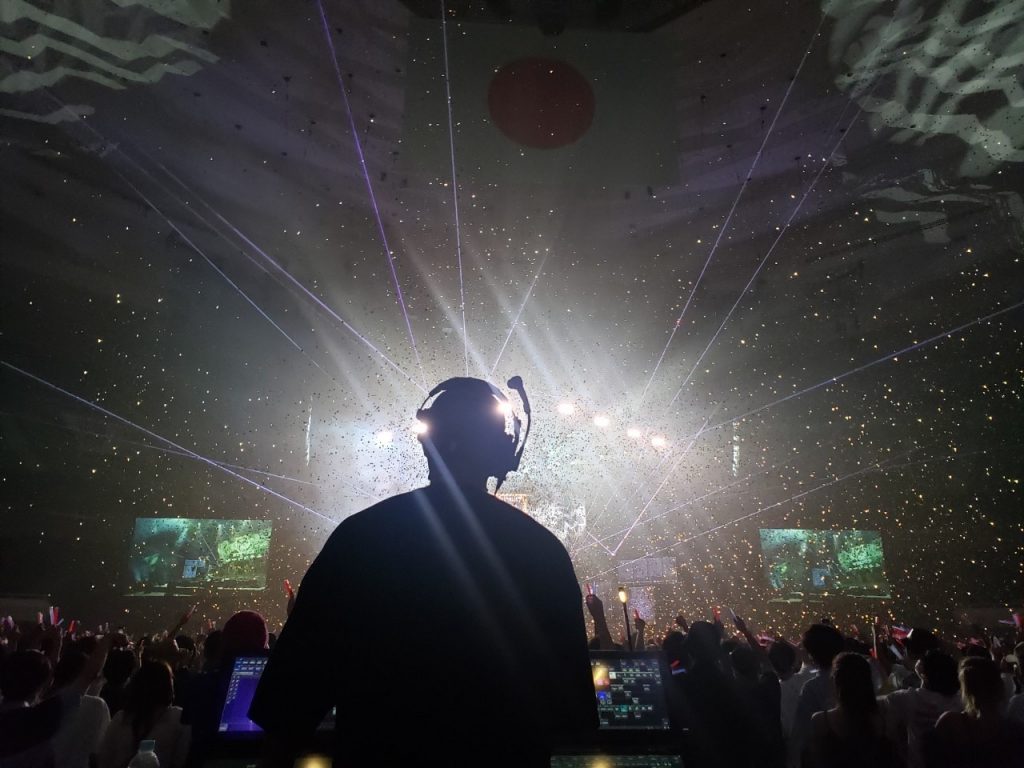 Operating lighting at the Nippon Budokan
— On the flip side, were there ever moments where you thought, "This is really bad"?
There were more than I can count…
While setting up in heavy rain, there was a situation where so much water got in that it ended up damaging the equipment. Another time, during an outdoor setup early in the morning in the middle of winter, my hands went numb while rigging lighting fixtures and I couldn’t turn the screw on a clamp. I didn’t have any tools on me, so I ended up turning it with my teeth (laughs).
There was also a time during a show when I was operating a pin spot and suddenly got a bad stomachache. Since I had to prioritize operating the light, I kept going while nearly blacking out and sweating heavily. Before I knew it, the show was over…Since then, I always make sure to use the restroom before going on.
There have also been plenty of other incidents I probably shouldn’t talk about here. For those who are curious, please ask me in person next time we meet!
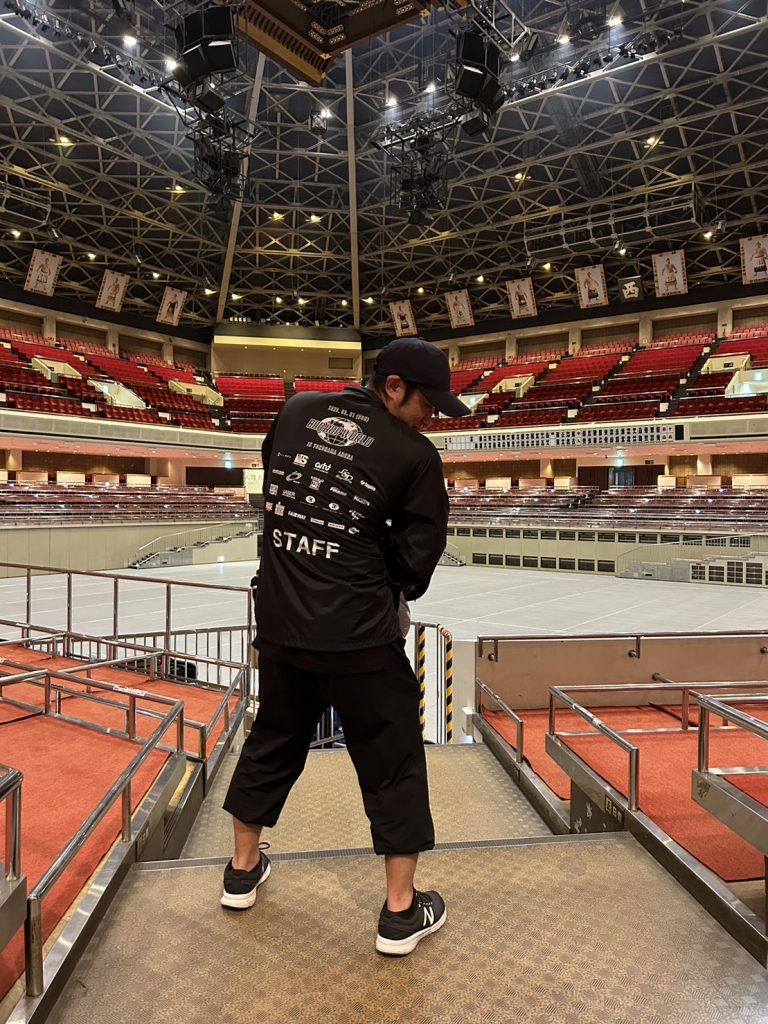
I am driven by a genuine dedication to my clients and the culture.
— Looking back on your career so far, was there a period you struggled with the most? How did you overcome it?
My entire twenties. I didn’t have a great memory, so even when I was given plans on site and things were explained to me, I often couldn’t understand, and I was getting scolded almost every day. But then, at some point, it suddenly felt like something clicked, and I started to understand what was being explained to me. It was like riding a bicycle. Once I was able to do something, I found that I could continue doing it smoothly from then on.
That said, I still make mistakes and run into things I can’t do even now, so I wouldn’t say I’ve completely overcome it. However, I am driven by a genuine dedication to my clients and the culture.
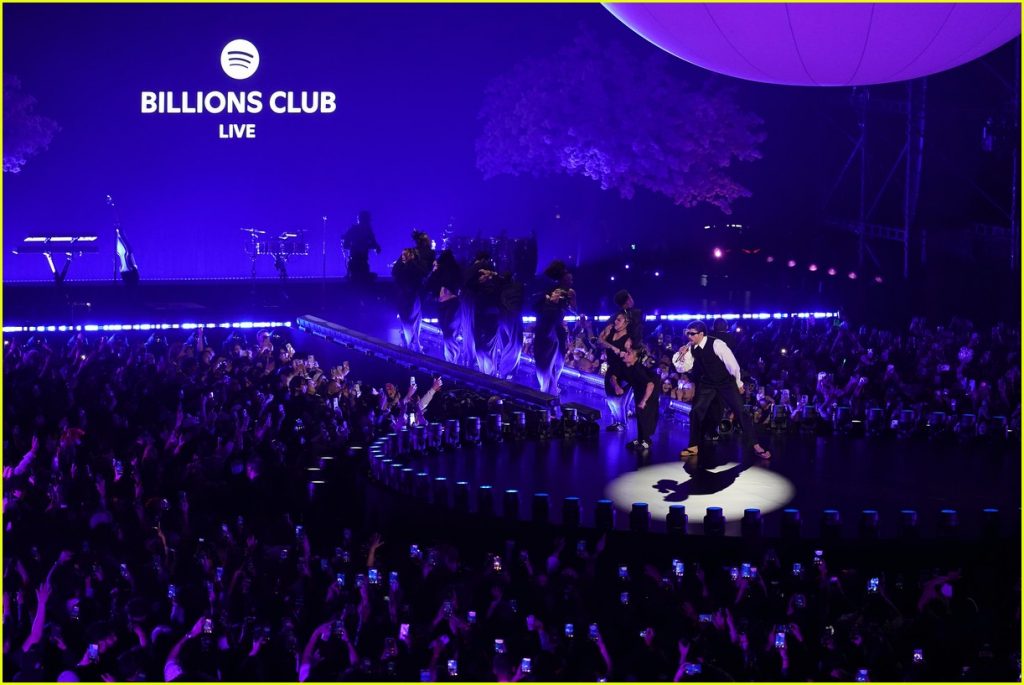
— Any artists or project that you would like to do lighting for?
There are too many artists to name, but I tend to be strongest with emotional kind, such as melancholic, darker, or beautifully atmospheric music, so I’d love to work with artists like that. As with any job, the right match is really important, and there’s also a strong element of luck involved. So when opportunities like that come along, I naturally put a lot of energy into them.
— What is your advice for those pursuing lighting as a job?
Rather than focusing only on technical skills, it’s important to recognize your own aesthetics and what you love, and take the time to nurture it. There will come a point when there’s no clear right or wrong answer, and in those moments, the answer will come from within you.
When it comes to the club lighting scene, just go out and experience it as much as you can. I still make sure to do that myself.
ー For you personally, what kind of process and approach do you think is necessary to achieve your goals and dreams?
I think having a strategy using social media is important, but it’s not really my strong suit, and to be honest, I have no idea how to promote myself. Also, from my experience working in this field, I feel that communication and connections are even more important than technical skills. I hope to become someone people want to work with. Someone who can balance confidence with humility. And… knowing English would be helpful, of course (laughs).
ー Speaking of dreams, do you currently have a dream?
Even if it’s gradual, I hope to keep improving steadily over time, in every aspect, including my technical skills.
As for tennis, I have plenty of goals (laughs). In 2028, I’ll move into the 45+ category, so I’m currently practicing once or twice a week to compete in local tournaments at that level.
ー That’s amazing! The last question is: what would you say is the biggest reason why you’re doing what you’re doing?
To be honest, I don’t even know the reason myself (laughs). Of course, not every job is something I absolutely love, and there are times when I have to approach things professionally and keep a certain distance. Even so, I think the reason I’ve been able to continue until now is simply because I love this industry. It’s filled with interesting people, and there’s always something new to discover, so I never get tired of it. Moving forward, I hope to continue contributing to the entertainment industry while enjoying the journey myself.
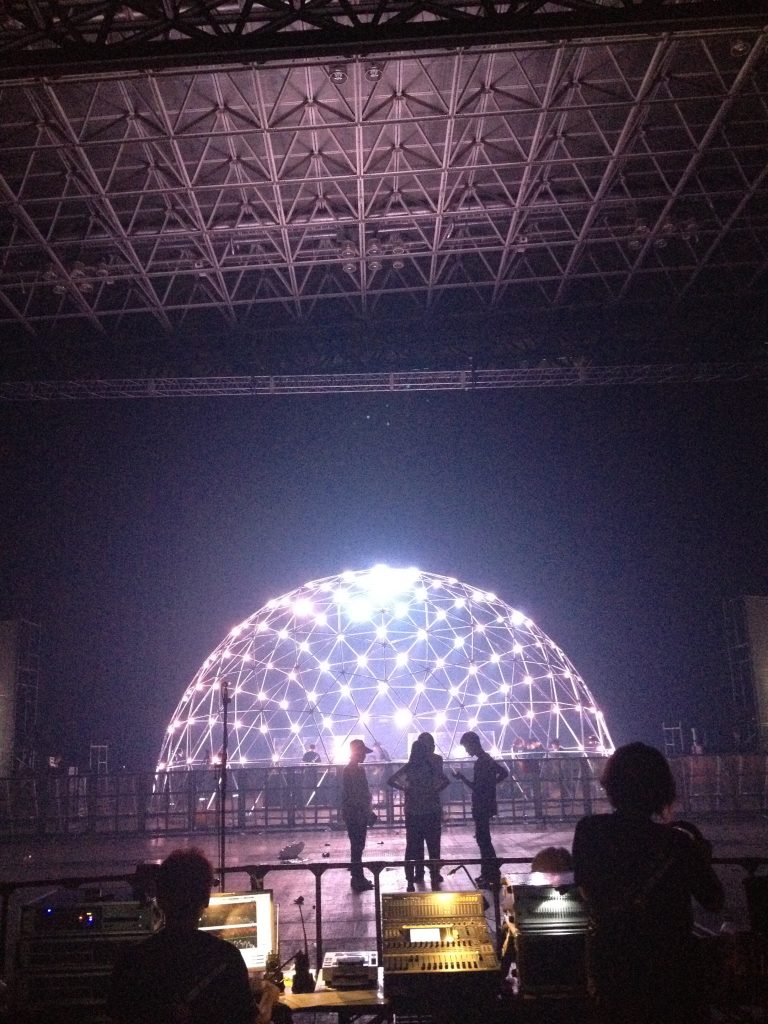 operating lighting at Makuhari Messe
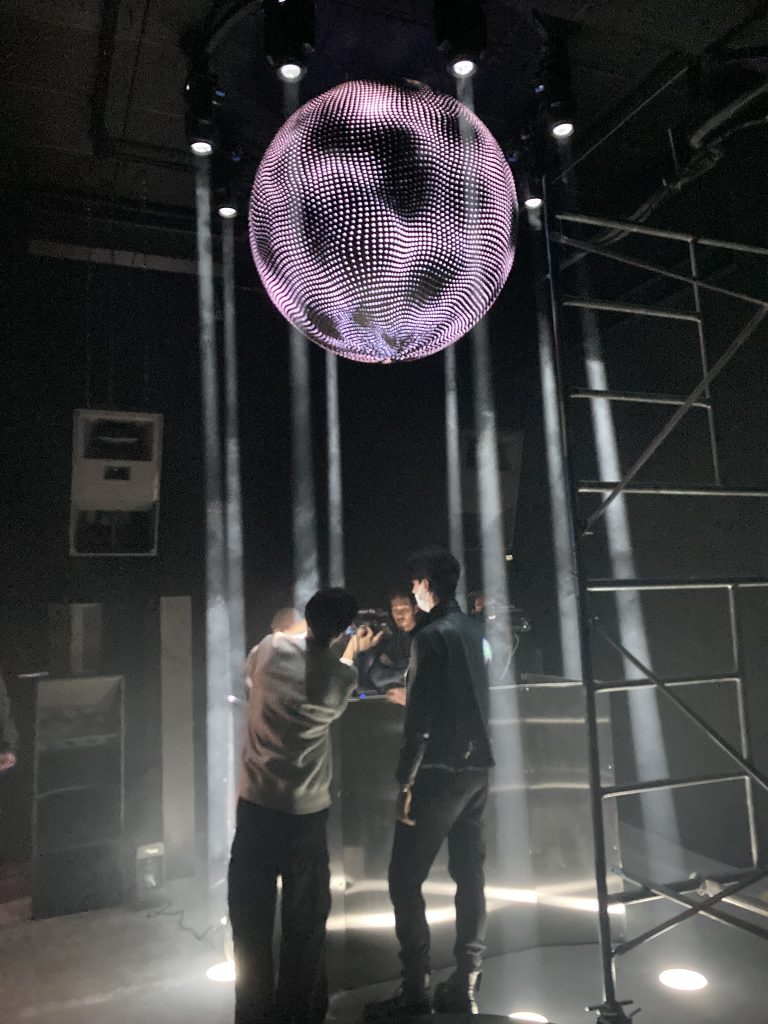 setting up at a club in Nakameguro
Interview: Olga Mazlina
Follow Akira Ishiyama here: